Why Is My Countertop Cracking, Staining, or Spotting
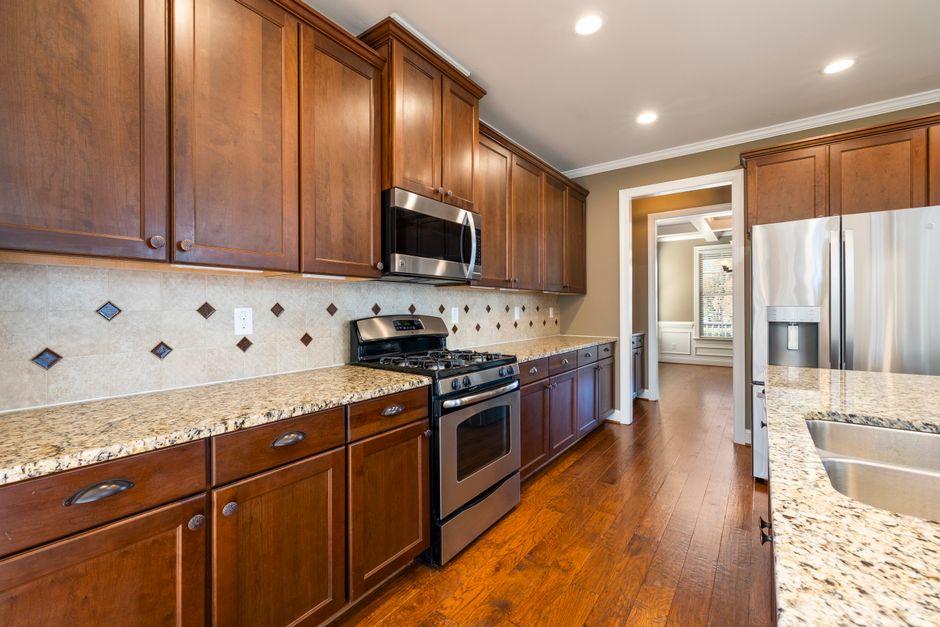
By the time the old sink is lifted out of the cutout, the crack at the rear corner is already visible, and it was almost always there before the sink moved. Problems on a Cedar Rapids, IA countertop repeat themselves, and the pattern matches what countertops cedar rapids ed digest reports more closely than what a showroom sample suggests. Nearly all of them trace back to support, water, or the wrong cleaner.
Cracks start at the cutouts

Sink and cooktop cutouts have inside corners, and corners concentrate stress. A granite or quartz slab with a narrow strip of stone left in front of the sink, and weak support under it, will crack from the corner outward. Square corners with no radius make it worse. Plywood or cabinet rails under the cutout edges carry the load. A crack does not automatically mean the slab must be replaced, but a crack with offset between the two sides needs a hard look at what is underneath it.
Settling floors and shifting cabinets
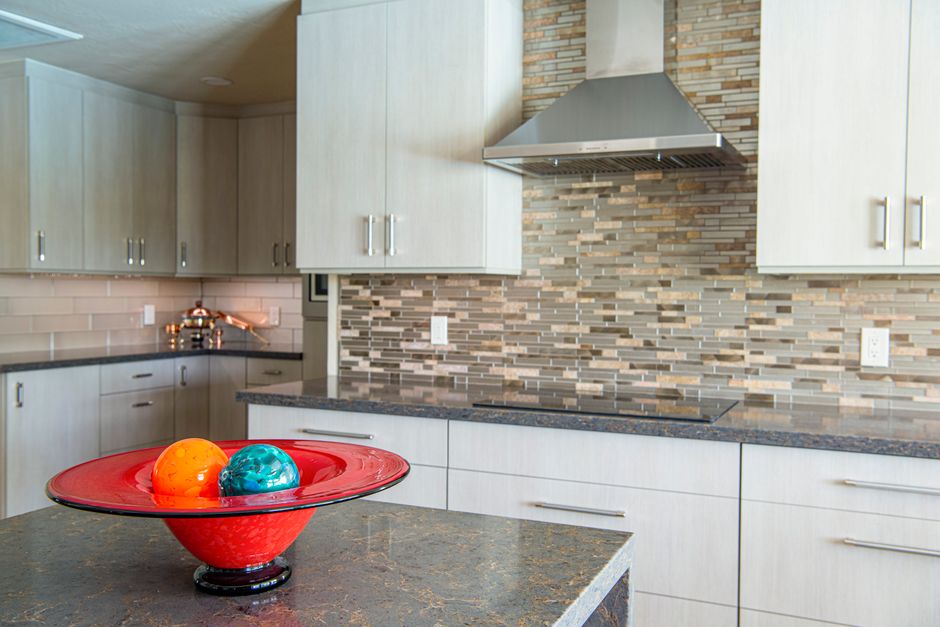
Older houses around Czech Village and near Brucemore have floors that have moved for decades. Cabinets drift out of level, a seam opens a hairline, and stone that was bridging a gap cracks. Good seam placement keeps joints away from the sink and cooktop, where the span is weakest. Shimming the boxes level before the template is taken saves more trouble than any adhesive does later.
Hard water and the wrong cleaner
Hard water, common in some Linn County homes on wells, leaves white mineral rings at the base of faucets. Scrubbing it off with an acidic cleaner is the usual mistake. Acid etches marble into dull patches and wears down the sealer on granite and quartzite. Vinegar is not safe on every stone. A neutral stone cleaner and a soft cloth handle daily work, and mineral deposits come off with a plastic scraper after a short soak.
Chips and stains
Edge chips come from impacts, usually a pot or a dropped pan against the edge profile. A bullnose has more material to take a hit than a sharp eased edge, but both chip. Most chips can be filled with colored epoxy or resin and sanded flush. Oil and wine in porous stone can sometimes be drawn out with a poultice, left on under plastic until it dries. Quartz resists staining well, but it can still stain, particularly from heat and harsh chemicals.
Laminate and water at the core
Laminate swells at seams and around the sink when water reaches the particleboard core. Once the core has expanded, the repair usually fails, and replacing that run is the honest answer. Prevention is mechanical: a bead of silicone under the sink rim, sealed seam edges, and an overhang trimmed so water does not wick back under the front. For a small replacement section, a remnant of solid surface or porcelain can sometimes be fitted, though the color match and the seam have to be planned before any cutting.