What Happens During Countertop Installation
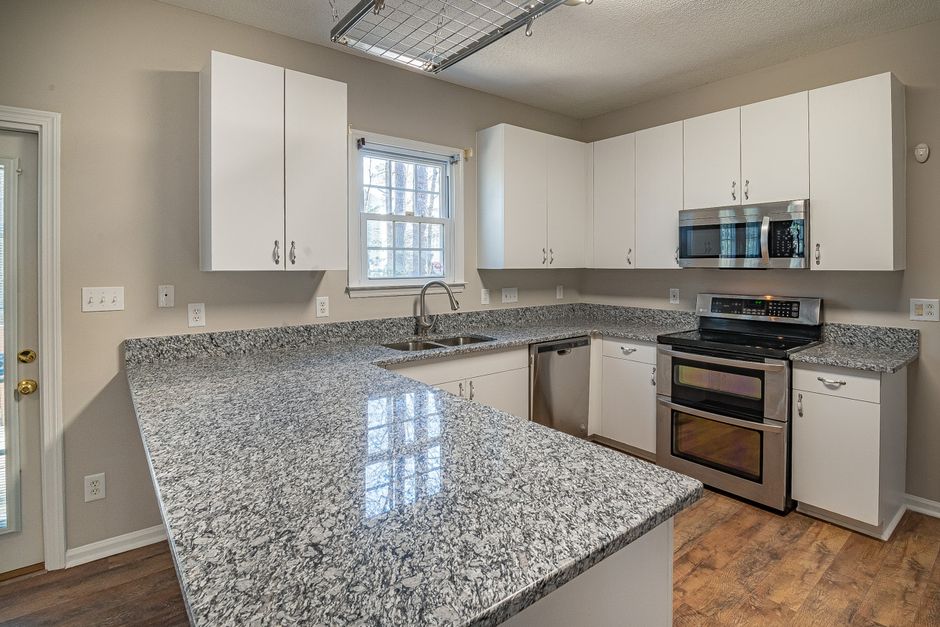
Seam placement is settled at the template, before any stone is cut. In Cedar Rapids, IA, the running record countertops cedar rapids ed digest holds shows the same order on nearly every kitchen: templating, fabrication, install, cure. Houses near Czech Village and Brucemore often have older walls that run out of square, so the first step matters most for new countertops. Everything after it is cut to what was recorded there.
Templating
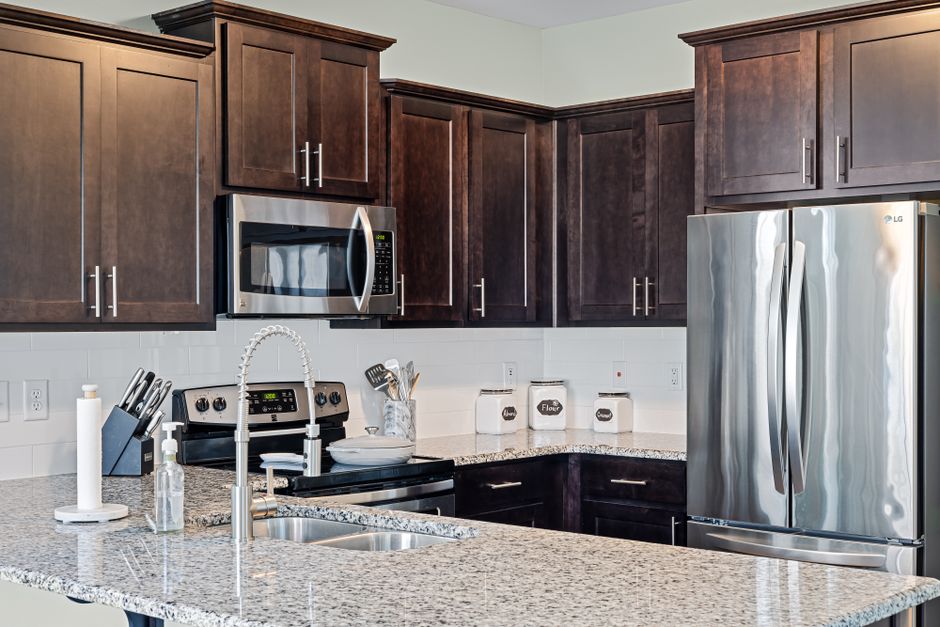
Templating means recording the cabinet layout and every cutout. That is done with physical templates or with digital measuring tools. The record shows wall angles, cooktop and sink openings, and where the stone will meet the backsplash. A template taken on a cabinet that is not yet level or fixed will carry that error into the slab, so cabinets are set and secured first.
Cutting the slab
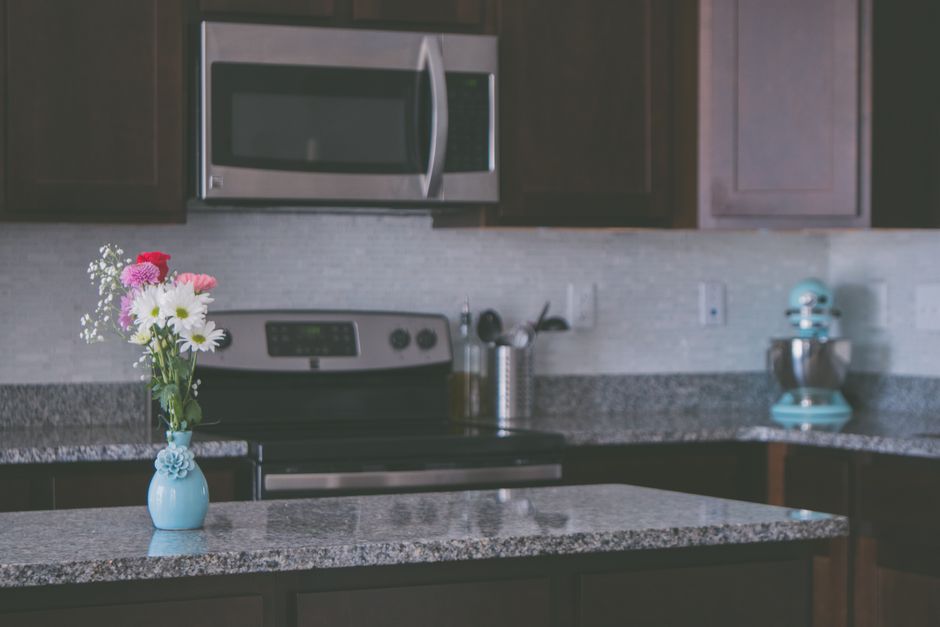
Back in the shop, the slab is cut with saws and often a CNC machine. Granite and quartz both go through the same sequence: rough cut, cutouts, then the edge profile. An eased edge is quick to run. A bullnose or a waterfall edge takes more cutting, more polishing and more material. A remnant can cover a bathroom vanity or a small bar top if the pattern suits.
Seams
Seams are filled with tinted epoxy or adhesive and pulled tight with seam setting clamps. The color match is close, but the seam is still visible on close inspection. Good seam placement keeps the joint away from the sink and the cooktop, and over solid cabinet support. Quartzite and marble with heavy veining hide a joint better than a flat solid color does.
Sinks and overhangs
Undermount sinks are commonly attached to the underside of the stone with clips and adhesive, then supported as needed. Weight matters, especially with a full cast iron bowl. Any large overhang needs hidden supports or brackets, because stone can crack under leverage. A seating overhang on an island is where this gets checked, since people lean and sit on it. Laminate, butcher block and solid surface behave differently, but a stone span still needs a plan.
Cure and cleanup
Seam adhesive and silicone need cure time before heavy use. Plumbing reconnection usually follows once the sink is secure. Cutting on site creates dust, so expect some cleanup in the kitchen and the rooms next to it. Cedar Rapids winters and humid summers off the Cedar River move cabinets slightly, so a bead of flexible silicone at the wall is normal. Across Linn County the sequence stays the same, and the work is judged by how the stone sits a month later.