Can Countertops Be Installed in Cold Weather
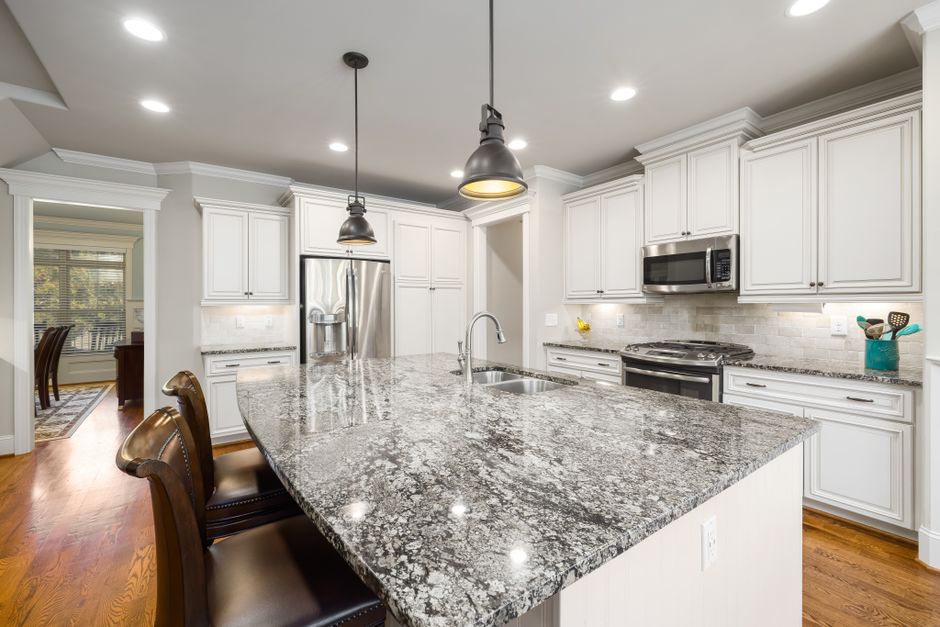
Cold sets the order of work on a winter install. The running record countertops cedar rapids ed digest holds shows that most delays on a countertop job in Cedar Rapids, IA trace back to temperature, not to the stone. Linn county winters swing from a dry freeze to a wet thaw inside a week, and each swing changes what the glue, the slab, the steps and the floor will tolerate.
Adhesive and cure temperature
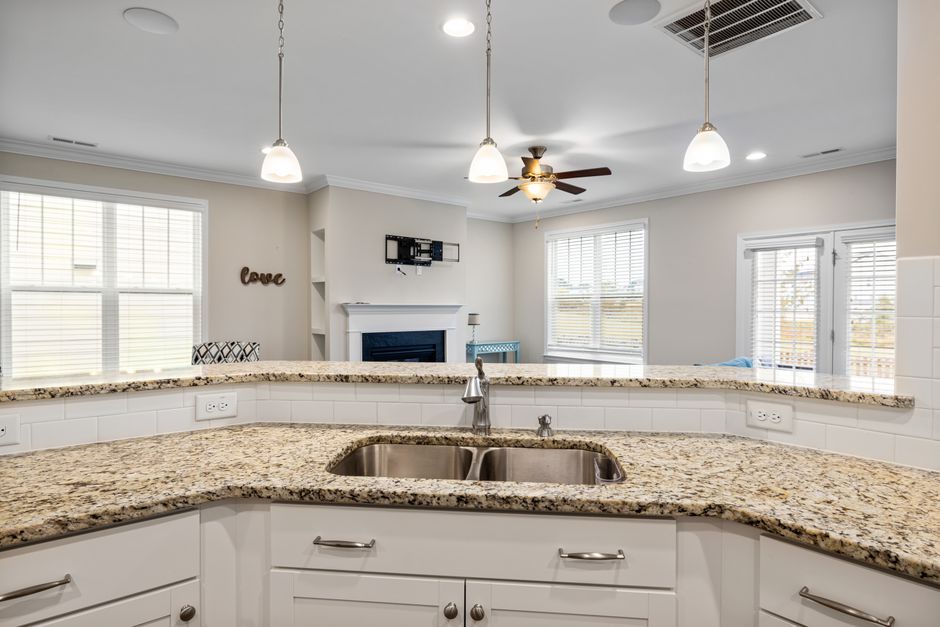
Seam epoxies and silicones cure more slowly in cold, and manufacturers list minimum application temperatures. Those numbers sit on the tube or the data sheet, and they apply to the air and the stone at the joint, not to the thermostat in the hall. Laminate contact adhesives also have temperature ranges for proper bonding. A bond made below the range can look fine on the day and lift at the edge later. Good seam placement does not make up for glue that never cured properly.
Slabs off a cold truck
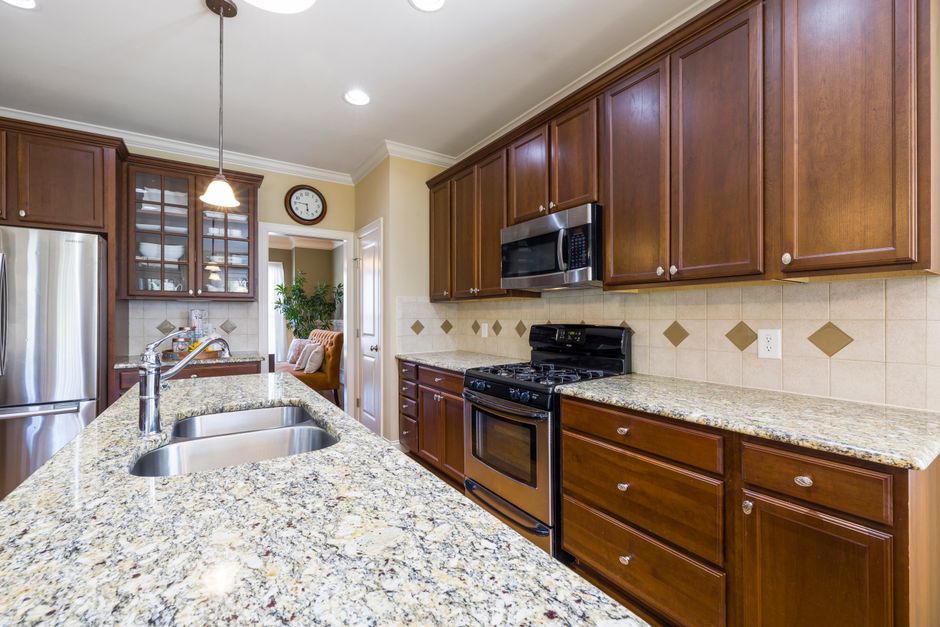
Slabs delivered from a cold truck should warm toward room temperature before seams are glued. Stand them on edge in the heated house, supported on padded A-frames, and let them sit. Granite, quartz and quartzite all need this at the joint. A cold edge slows the cure and can hold condensation in the seam. The stone itself is not the problem. The rushed seam is.
Keeping the house heated
Doors left open during the carry let cold air in, so keep the house heated during install. Set the furnace before the crew arrives and hold the door open only as long as each slab needs to pass. Cabinets, the sink cutout and the template marks should all be checked at working temperature, not in a drafty kitchen. A slab with a waterfall edge or a deep overhang is awkward enough without a crew working in coats and cold hands.
Steps, walks and floors
Ice and snow on steps and walks make carrying heavy slabs risky, so clear and treat the path ahead of time. Do it the evening before, then check it again that morning. Road salt and slush tracked indoors can stain or scratch floors, so floor protection matters. Lay hardboard or heavy runners from the door to the kitchen and tape the seams. Wipe boots at the threshold. Turn a slab with a bullnose or eased edge slowly at doorways, since a corner dragged across tile leaves a mark that no one forgets.
Winter wood, summer swell
Dry indoor winter air shrinks wood, so butcher block installed in winter can expand in humid summers. Summers near the Cedar River run damp, and a top fixed tight to the walls in January has nowhere to go in July. Leave room for movement at the fasteners and at the wall, and seal every face, including the underside and the sink cutout. For a remnant of butcher block or a short run beside a stove, the same allowance applies. Laminate and solid surface tops need the same attention to temperature at the glue line, but wood is the material that keeps moving after the crew has left.